
SPEAKERS
Keynote Speaker
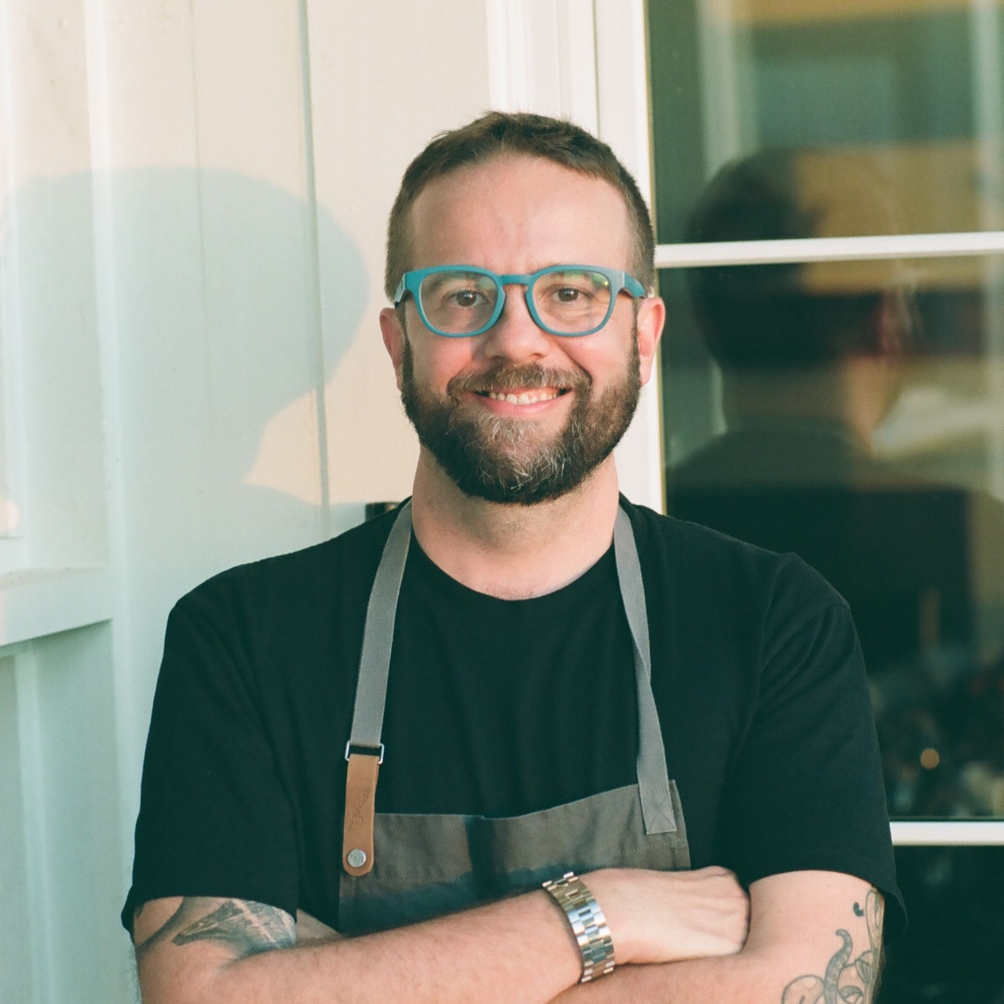
Dan Jacobs
Chef Dan Jacobs is the head chef and co-owner of Milwaukee’s EsterEv, a globally inspired tasting menu concept, and DanDan, a modern Chinese-American restaurant with Midwest sensibility. A four-time James Beard Best Chef Midwest Semifinalist and 2024 Nominee alongside his business partner, Chef Dan Van Rite, Jacobs also champions causes beyond the kitchen, including his advocacy for independent restaurants through the IRC and organizations like World Central Kitchen and No Kid Hungry. Diagnosed with Kennedy’s Disease in 2016, a rare neuromuscular disorder, Jacobs continues to run two acclaimed restaurants while raising $90,000 and counting for awareness. This year, Jacobs earned national acclaim as the runner-up on Top Chef Season 21, filmed in his home state of Wisconsin.
Speakers
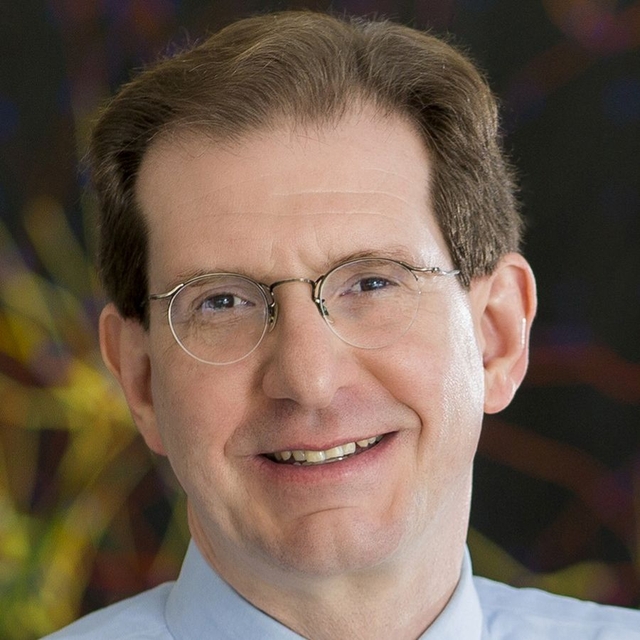
Al La Spada, MD, PhD, FACMGG
Albert La Spada graduated Summa Cum Laude from the University of Pennsylvania with a degree in Biology in 1986. While a M.D. - Ph.D. student at the University of Pennsylvania School of Medicine, La Spada identified the cause of X-linked spinal & bulbar muscular atrophy (SBMA) as an expansion of a trinucleotide repeat in the androgen receptor gene. As the first disorder shown to be caused by an expanded repeat tract, this discovery of a novel type of genetic mutation led to the emergence of a new field of study. After completing training as a Clinical Genetics fellow and a Howard Hughes Medical Institute Physician Postdoctoral Fellow, he joined the faculty at the University of Washington Medical Center in 1998, and became a Professor of Laboratory Medicine, Medicine (Medical Genetics), and Neurology (Neurogenetics). In 2009, Dr. La Spada accepted the position of Professor and Division Head of Genetics in Pediatrics, Cellular & Molecular Medicine, and Neurosciences at the University of California, San Diego, and was a founding faculty member of the UCSD Institute for Genomic Medicine and Sanford Consortium for Regenerative Medicine. Dr. La Spada was recruited as the founding Director of the Duke Center for Neurodegeneration & Neurotherapeutics, was appointed Distinguished Professor of Neurology, Neurobiology, and Cell Biology, and held the Lincoln Financial Endowed Chair at the Duke University School of Medicine.
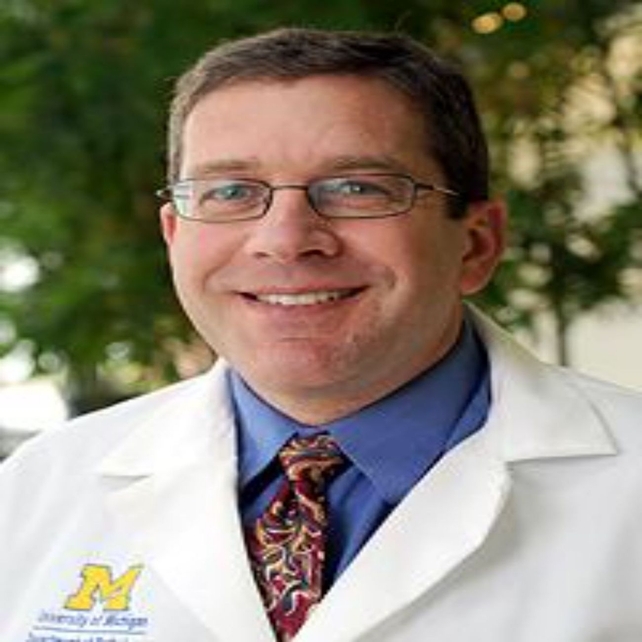
Andrew Lieberman, MD, PhD
Dr. Andrew Lieberman is the Gerald D. Abrams Professor in the Department of Pathology and Director of Neuropathology at the University of Michigan. Dr. Lieberman received his BS from Duke University and his MD, PhD from the University of Maryland Medical School. He completed residency training in Anatomic Pathology and fellowship training in Neuropathology at the University of Pennsylvania. He trained as a research fellow with Dr. Kenneth Fischbeck at the Neurogenetics Branch NINDS, NIH, and then joined the University of Michigan Medical School faculty in 2001. He serves as Director of Neuropathology at the University of Michigan Medical Center, and is Co-Director of the Michigan Protein Folding Diseases Initiative. Dr. Lieberman’s research has focused on the mechanism of neurodegeneration in inherited neurological disorders. His laboratory uses cell culture and mouse models to explore the pathogenesis of Kennedy’s disease, a polyglutamine expansion disorder, and Niemann-Pick C, a lysosomal storage disease resulting from impaired lipid trafficking.
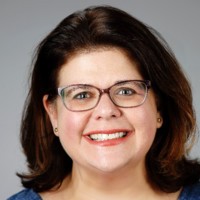
Angela Kokkinis, BSN, RN
Angela Kokkinis is a Research Nurse at the National Institutes of Health (NIH). She has been at NIH since 1993 and started working with the SBMA population since 2006. She has been involved with several studies and protocol with SBMA. Angela finds this patient population the most rewarding to work with and the best part of her job is talking with the men and women who have been touched in some way by SBMA. Outside of work, Angela enjoys spending time with her family, her husband Andy and children Alex and Georgia.
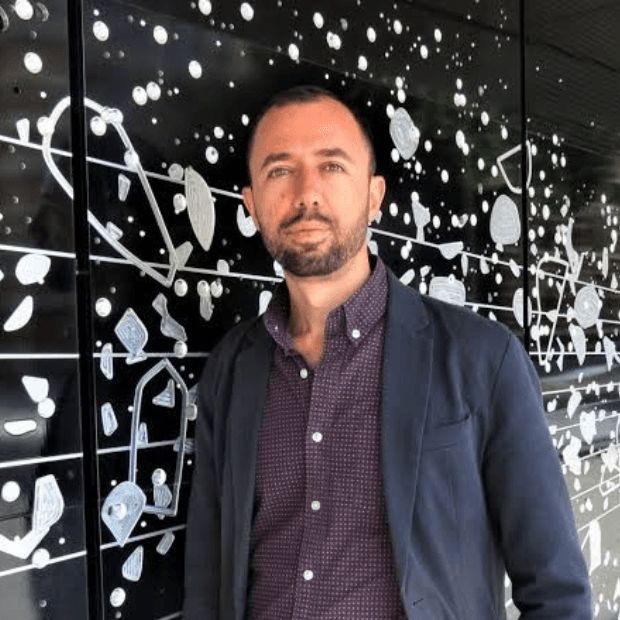
Carlo Rinaldi, MD
Professor of Molecular and Translational Neuroscience at the University of Oxford and Consultant Neurologist and at the John Radcliffe Hospital in Oxford and at the National Hospital for Neurology and Neurosurgery in London. He completed his medical education and Residency in Neurology in 2010 at the University of Federico II (Naples, Italy). In 2009 he joined the Neurogenetics Branch at the National Institute of Health (Bethesda, MD, USA) under the supervision of Prof. Fischbeck, to work on the mechanisms of pathogenesis of spinal and bulbar muscular atrophy and other genetic neurological diseases. After obtaining a Ph.D. in Neuroscience, in 2015 he moved to Oxford as a Clinical Research Fellow under the mentorship of Prof. Matthew Wood. In 2017 Carlo received a Career Development Fellowship by the Welcome Trust and in 2024 an MRC Senior Clinical Fellowship. Carlo leads the R-lab (https://www.rinaldi-lab.com/), a research group dedicated to unravelling the mechanisms of disease pathogenesis in rare neurological conditions, with the ultimate aim of translating these insights into effective treatments for patients.
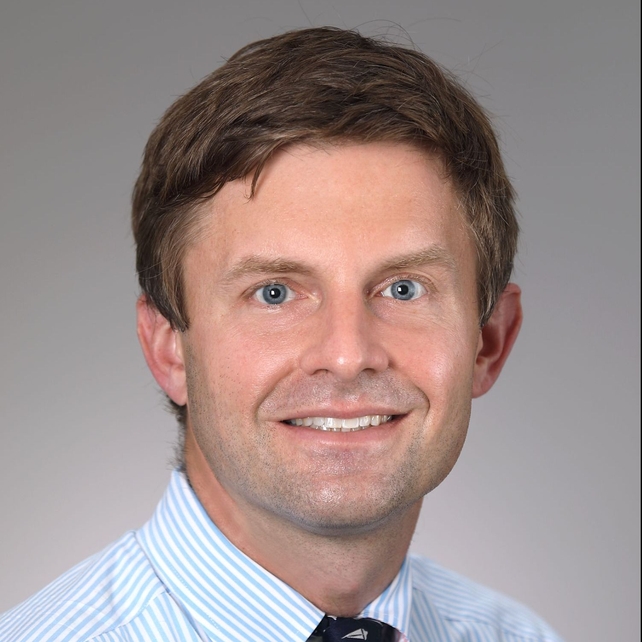
Chris Grunseich, MD
Dr. Grunseich is a physician-scientist specializing in inherited neuromuscular diseases at the NIH Campus in Bethesda, MD. His lab focuses on studying markers of muscle and motor neuron pathology that can be used for detecting disease progression and evaluating efficacy in clinical studies. Dr. Grunseich completed his undergraduate studies at Brown University and went on to receive his M.D. from SUNY Stony Brook School of Medicine in 2006. He completed neurology residency at Georgetown University and a neurogenetics fellowship at NINDS. He became a Lasker clinical research scholar in 2024 and is currently a Tenure Track Investigator at NINDS. A main focus of the lab is understanding the disease mechanisms of two progressive forms of motor neuron disease: spinal and bulbar muscular atrophy (SBMA) and amyotrophic lateral sclerosis type 4 (ALS4). The lab seeks to understand how molecular dysfunction in these two diseases results in degeneration and develop new approaches to treatment.
Establishing disease specific measures of toxicity in the muscle or spinal cord would allow for improved understanding of the disease mechanism and better approaches to evaluate therapeutic engagement at the target tissue.
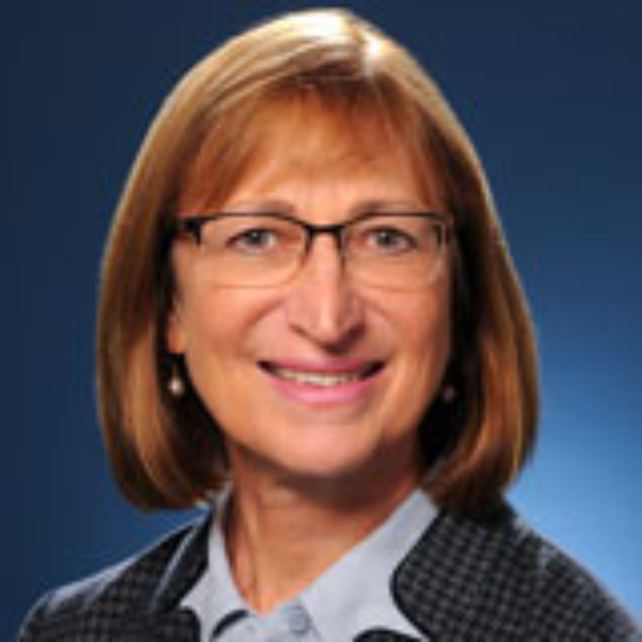
Diane Merry, PhD
Dr. Diane Merry’s research focuses on the molecular mechanisms underlying inherited neurodegenerative disease, with a primary focus on Kennedy’s disease. Dr. Merry’s group has developed and utilizes unique cell and mouse models to both understand mechanisms of disease and identify molecular targets for therapeutic development. Over the past decades her group has investigated the structural and functional requirements of the mutant androgen receptor (AR) protein in disease and has identified several AR targets that are in preclinical development.
Dr. Merry serves as Vice Chair of the Department of Biochemistry and Molecular Biology at the Sidney Kimmel Medical College of Thomas Jefferson University and chairs the Scientific Advisory Board for the Vickie & Jack Farber Institute for Neuroscience at Jefferson.

Ed Meyertholen, PhD
Ed Meyertholen is a person living with Kennedy’s Disease. He went to Boston College where he graduated with a Biology/Chemistry major. He then attended graduate school at Purdue University and received his Ph.D. in biology in 1982. After holding faculty positions at several universities, he settled in Austin, TX where he taught Cell and Molecular Biology, Genetics and Physiology at Austin Community College. In 2005, Ed was awarded a sabbatical leave and was able to do research on Kennedy's Disease in the lab of Dr. Diane Merry at Thomas Jefferson University in Philadelphia. In 2012, Ed accepted a position as Assistant Dean and Director of Pre-Health Programs at Georgetown College, Georgetown University, Washington, DC. Now retired, Ed is well-known to the KD community for his informative and entertaining lecture on the biology of Kennedy’s Disease at KDA’s annual conference.
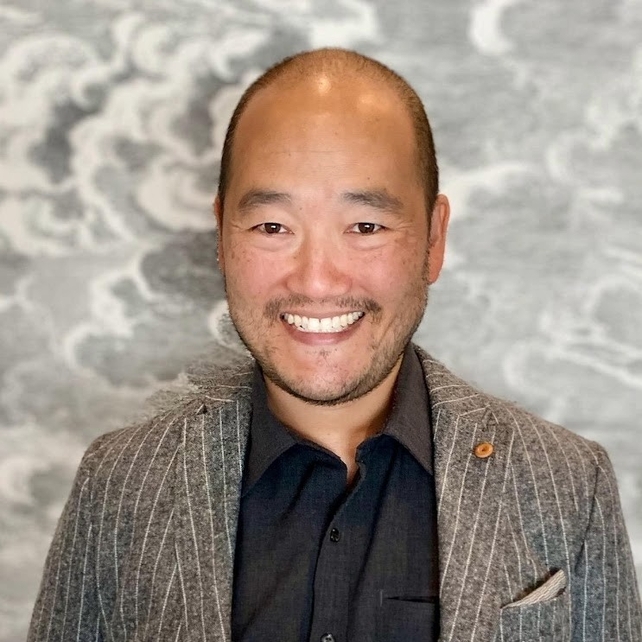
Eric Park, MD
Eric Park, M.D., started A22 Consulting LLC in October 2023, bringing more than 20 years of clinical development and medical affairs experience primarily in oncology. Prior to consulting, Dr. Park served as Executive Director of Clinical Development at Turning Point Therapeutics and earlier at Peloton Therapeutics (acquired by Merck) where he led the pivotal trial for the first-in-class approval of Welireg® (belzutifan) for the treatment of VHL disease.
Earlier in his career, he held roles of increasing responsibility leading clinical programs and medical affairs strategy at multiple companies, including Medivation, Actelion, Revance Therapeutics, and AstraZeneca. A nuclear medicine physician by training, Dr. Park previously practiced at Kaiser Redwood City and Santa Clara in the SF bay area. He received his B.A. degree from the University of Virginia and his M.D. from the Medical College of Virginia and completed his nuclear medicine training at UCSF.

Jim Kissling
Jim Kissling is the President of AutoFarm Mobility, a sales company specializing in wheelchair-accessible vehicles, ambulances, mobility aids (durable medical equipment), and recreational vehicles. Previously, he was the President of a new car auto group with eight locations across three states. Jim and his family currently reside in Westfield, Indiana. Jim was diagnosed with Kennedy's disease in his early twenties. While his personal mobility continues to decline, his passion for assisting individuals with disabilities grows daily. His positive outlook brings humor and compassion to various situations

Joe Shrader, PT
Joseph Shrader graduated from the University of Maryland, Eastern Shore in 1989.
For the past 36 years he has provided clinical care to patients with rheumatologic and myopathic diseases at the National Institutes of Health Rehabilitation Medicine Department. Over the past 15 years his primary research collaborations have been with the National Institute of Neurological Disorders and Stroke (NINDS) with particular emphasis on Spinal and Bulbar Muscular Atrophy. He became a board-certified pedorthist in 1994 with extensive experience treating foot and ankle problems. Clinical awards from the Public Health Service and research awards from the American Physical Therapy Association have recognized his accomplishments in extending the knowledge base in foot pathomechanics and orthotic interventions for patients with rheumatoid arthritis.
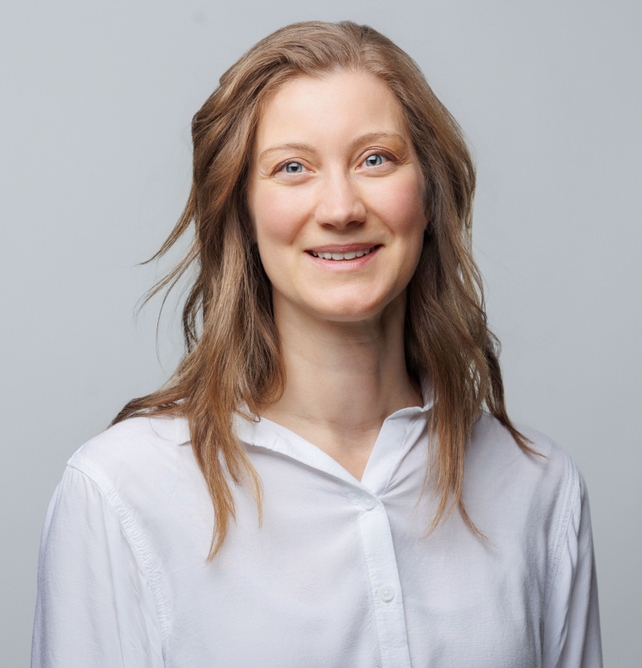
Kerri Schellenburg, MD
Kerri Schellenburg received fellowship training in Neuromuscular Medicine & ALS and serves as Medical Director for the Saskatchewan ALS/Motor Neuron Disease Clinic and the EMG Lab director at the Royal University Hospital in Saskatoon, Canada. She is a chair of the ALS Physician Research group (CALS), a co-chair for the Neuromuscular Disease Network for Canada (NMD4C) Clinical Trials section, and is an advisory board member for the Canadian Neuromuscular Disease Registry (CNDR).
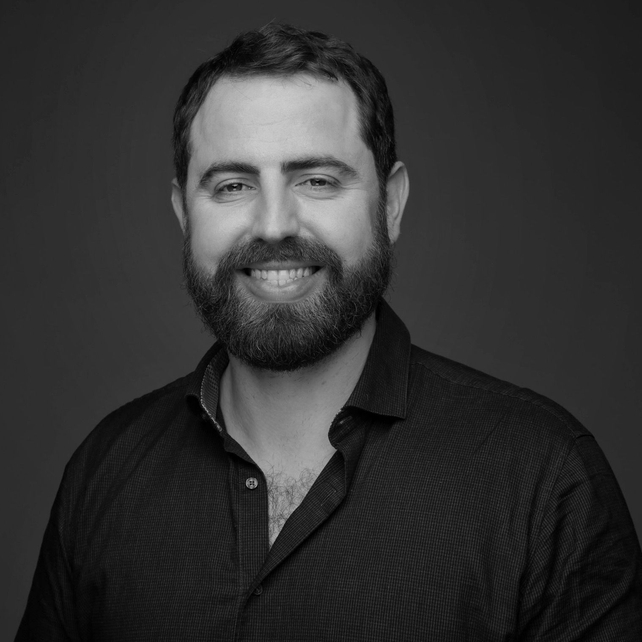
Louie Lee, PhD, MCSP
Dr Louie Lee is a clinical academic physiotherapist specializing in neuromuscular disorders. He is Principal Physiotherapist for the UK’s national Kennedy’s Disease service and provides expert care at the National Hospital for Neurology & Neurosurgery. As a mixed methods researcher, his work focuses on rehabilitation and long-term condition management, using implementation science, behavior change, co-design and public engagement to translate evidence into practice.
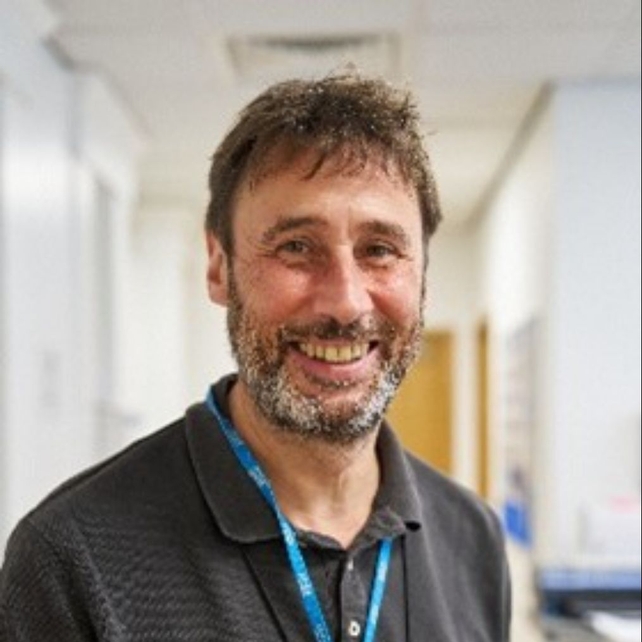
Luca Zampedri
Luca worked as a nurse at the National Hospital for Neurology and Neurosurgery in London (UK) since 2004. He held permanent positions in neuropsychiatry, intensive care, and clinical research facilities. He holds postgraduate qualifications in medical anthropology, history of medicine and genomics.
In 2015, Luca joined UCL’s Centre for Neuromuscular Diseases where he coordinates the Kennedy’s disease register and related clinical and research activities. He has collaborated with patient associations, clinicians and researchers nationally and internationally in raising awareness of this rare condition and advancing standards of care.
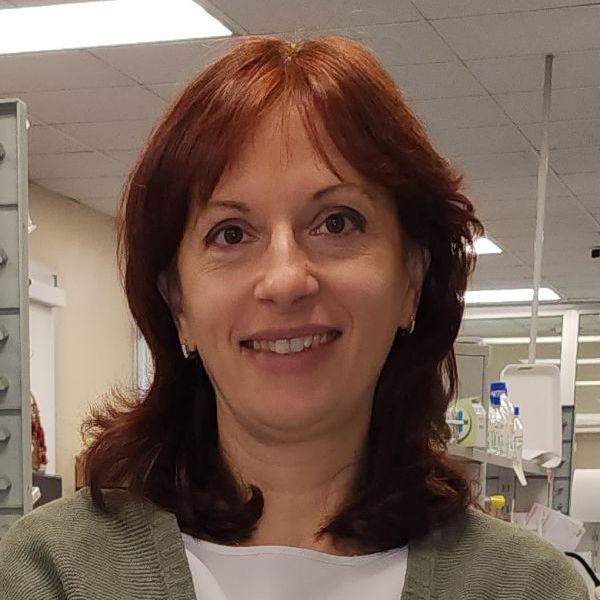
Maria Pennuto, PhD
Prof. Maria Pennuto graduated with honors in Biological Sciences from La Sapienza University of Rome in 1996. She earned her PhD in Cellular and Molecular Biology at the University of Milan in 2000 under the supervision of Prof. F. Valtorta.
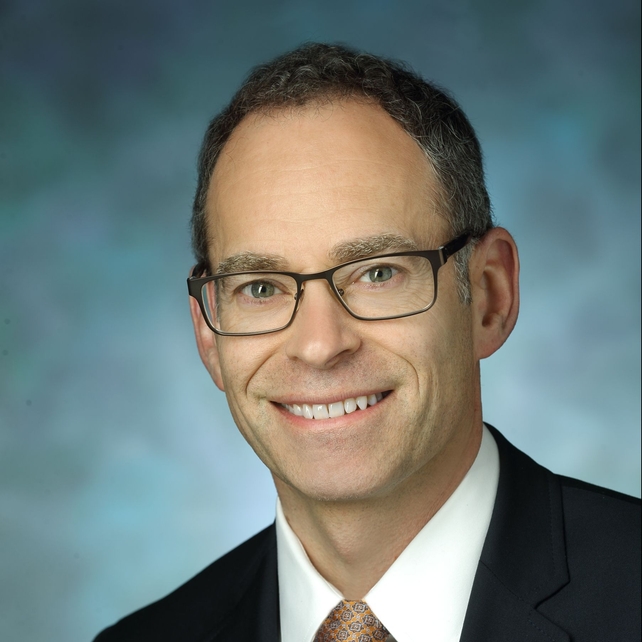
Noah Lechtzin, MD
Noah Lechtzin is a Professor of Medicine at Johns Hopkins University. He was born and raised in Philadelphia and received his medical degree from Temple University in 1994. He then completed an internship and residency in Internal Medicine at the Johns Hopkins University School of Medicine. Dr. Lechtzin then did a fellowship in Pulmonary and Critical Care Medicine at Johns Hopkins and also received a Masters degree in epidemiology from the Johns Hopkins Bloomberg School of Public Health in 2000.
He joined the Department of Medicine faculty at Johns Hopkins in 2001 and has joint appointments in the Department of Neurology and in Epidemiology. He is the Director of the Johns Hopkins Adult Cystic Fibrosis Program and the pulmonologist for the muscular dystrophy and ALS clinics at Hopkins.
Dr. Lechtzin is a clinical researcher and has particular interest in respiratory function in people with neuromuscular disease and drug trials in cystic fibrosis.
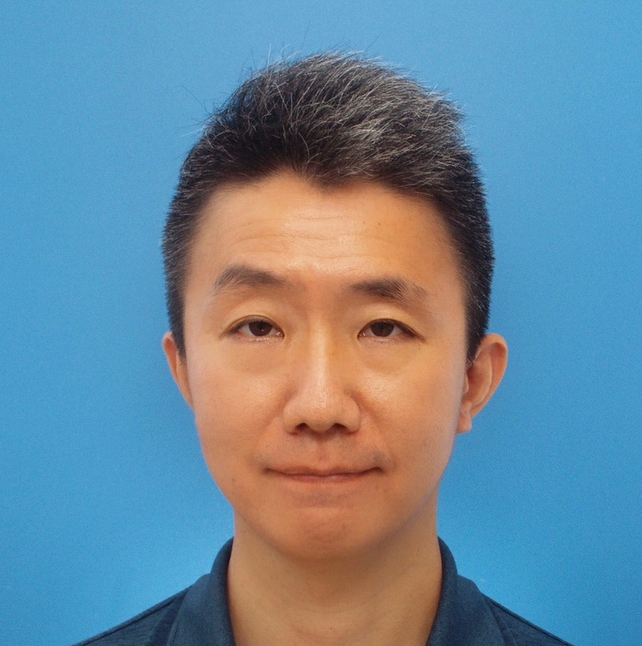
Shinichiro Yamanda, MD
Shinichiro Yamada, MD, PhD, is a neurologist at Nagoya University from Japan and clinical researcher specializing in neuromuscular disorders, particularly spinal and bulbar muscular atrophy (SBMA). His work includes patient and public involvement (PPI) activities to assess genetic literacy, as well as the planning and coordination of an investigator-initiated clinical trial using mexiletine hydrochloride. He has published several peer-reviewed papers and collaborates with international research groups and patient organizations.
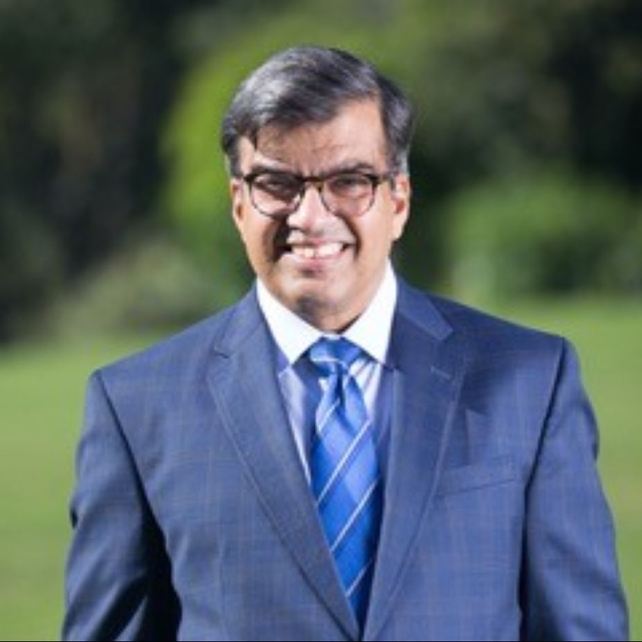
Tahseen Mozaffar, MD
Dr. Tahseen Mozaffar is a Professor of Neurology and Pathology and Laboratory Medicine and the former Founding Director of the Division of Neuromuscular Disorders. Dr. Mozaffar serves as chair of one of the biomedical committees and is the Associate Director for the Center for Translational Sciences Award (CTSA) at University of California, Irvine. He was the Principal Investigator for UCI-NEXT, the NeuroNEXT award to the University of California, Irvine, one of 25 such NeuroNEXT sites funded by the NINDS/NIH. He is also the Lead Investigator for a multicenter NIH/NIAMS funded Natural History Study in sIBM (INSPIRE-IBM), which started April 2021. He graduated medical school at the Aga Khan University in Karachi, Pakistan in 1989 and trained in Neurology and Neuromuscular Disorders at Washington University/Barnes Hospital in St. Louis, MO. Dr. Mozaffar has been at UC Irvine since 2000 where he has built an internationally recognized clinical and research program in Neuromuscular Disorders.
He is actively involved in clinical and translational research in Neuromuscular Disorders, including currently serving as Principal Site Investigator on over a dozen clinical trials in myasthenia gravis, rare and ultra-rare myopathies and in immune myopathies. He has co-authored over 250 peer-reviewed publications and has authored or co-authored over a dozen book chapters and invited reviews. As an expert in these rare and ultra-rare myopathies, he is actively sought as an advisor by pharmaceutical companies for trial design and identifying disease targets. He is the Director of the nationally recognized Annual UC Irvine Neuromuscular Colloquium, now in its 15th year of existence and the founding Director of the Annual Neuromuscular Pathology Colloquium, now in its 10th year.
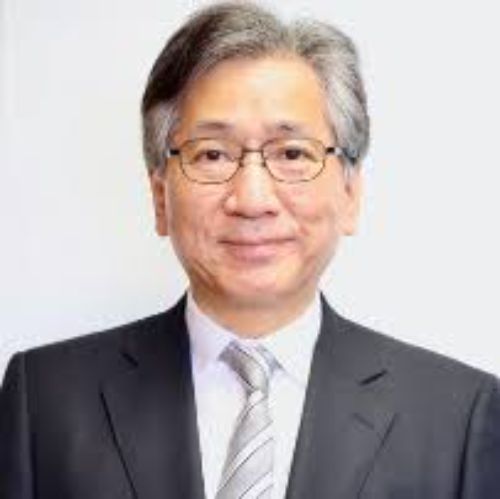
Takashi Nakajima MD, PhD
Dr Takashi Nakajima, MD, PhD, is a Neurologist and the new Director of Niigata National Hospital, National Hospital Organization Japan, following 13 years as the Deputy Director. Dr Nakajima graduated from Niigata University, School of Medicine (1983). He became a resident and a research fellow of the Brain Research Institute, Niigata University (1983-1984), and he completed the PhD program of Niigata University (1985-1991). Dr Nakajima joined the National Institute of Mental Health, NIH (USA) as a Fogarty Fellow (1987-1989). He held the position of Chief of Department of Neurology, Radiology and Clinical Research, Saigata National Hospital (1991-2003). Dr Nakajima was an expert member of the Pharmaceutical, Medical Device and Food Committee, MHLW (2001-2004). Since 2004, he has been a guest lecturer of the Brain Research Institute, Niigata University, and a specialist of the Pharmaceuticals Medical Devices Agency (PMDA). Dr Nakajima’s main research areas are Neurology, Neuro-rehabilitation, Biomedical Informatics, Patient Reported Outcome / QOL (Quality of Life), Clinical Trial Design, and Nambyo / palliative care. He is a member of various medical societies, including the Japanese Society of Neurology (Specialist, Instructor), the Japan Society for Dementia Research (Specialist), The Japanese Society of Internal Medicine (Certified physician), and the Japanese Society for Genetic Counselling (Specialist on medical genetics).
He, as a principal investigator, currently completed and published the randomized controlled clinical trial NCY-3001, entitled “Cybernic treatment with wearable cyborg Hybrid Assistive Limb (HAL) improves ambulatory function in patients with slowly progressive rare neuromuscular diseases: a multicentre, randomized, controlled crossover trial for efficacy and safety (NCY-3001).” https://ojrd.biomedcentral.com/articles/10.1186/s13023-021-01928-9
He also introduced the ethical and social context of this innovated motor learning technology, the cybernic treatment with HAL in the “Innovative Technology, Clinical Trials and the Subjective Evaluation of Patients: The Cyborg-type Robot HAL and the Treatment of Functional Regeneration in Patients with Rare Incurable Neuromuscular Diseases in Japan.
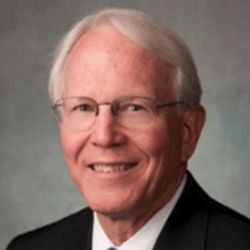
Terry Thompson, KDA President
Dr. Thompson comes to this role of president with a long track record of leadership and experience. He has served as an officer in the U.S. Marine Corps and went on to become a Senior Executive with the National Security Agency. He joined Booz Allen Hamilton where he rose to the position of Vice President and currently teaches graduate courses in cyber-security at Johns Hopkins University. Terry has a BA and MA from Wayne State University in Detroit, Michigan, and a PhD from Georgetown University. Though Terry is new to the KDA board, he and his wife Kathy (who has been successfully running our conferences for a number of years) have invested several years as active members in the KD community. They are powerful advocates to bring awareness and funding for Kennedy’s Disease. The board of directors of the KDA is thankful and welcomes Terry to lead us in our mission to inform, support, educate, fund research and find a cure for Kennedy's Disease.

Vissia Viglietta, MD, PhD
Vissa is the Chief Medical Officer at Nido Biosciences. She has over 15 years of experience in Neurology Clinical Development across multiple indications. Prior to joining Nido, she was Vice President of Global Clinical Development and Medical Affairs at Wave Life Sciences focusing on rare neuromuscular and neurodegenerative diseases. Previously, she was Vice President of Global Clinical Development at Decibel Therapeutics focusing on gene therapy. Prior to Decibel, she worked at Merck Serono, Biogen and Amgen with increasing levels of responsibility in late-stage clinical development. During this time, her focus was primarily multiple sclerosis (MS) and Alzheimer’s disease (AD), including a key role in the development and regulatory approval of Tecfidera for MS and the launch of the Phase 3 program for aducanumab in AD.
Vissia worked at Harvard Medical School as postdoctoral fellow and subsequently as faculty member. She holds an M.D./Ph.D. from La Sapienza University of Rome.